Guides to Lake Motor Rules
The background behind the verdicts on our lake pages

Quick answer
These guides explain the rules our lake pages summarize. What an electric-only listing actually permits, how slow-no-wake is judged on the water, which agency controls which lake, why 9.9 hp motors exist, when a trolling motor triggers registration, and what every regulation term means. Each guide links back to verified lake pages, so you can go from concept to your specific lake in one click.
-
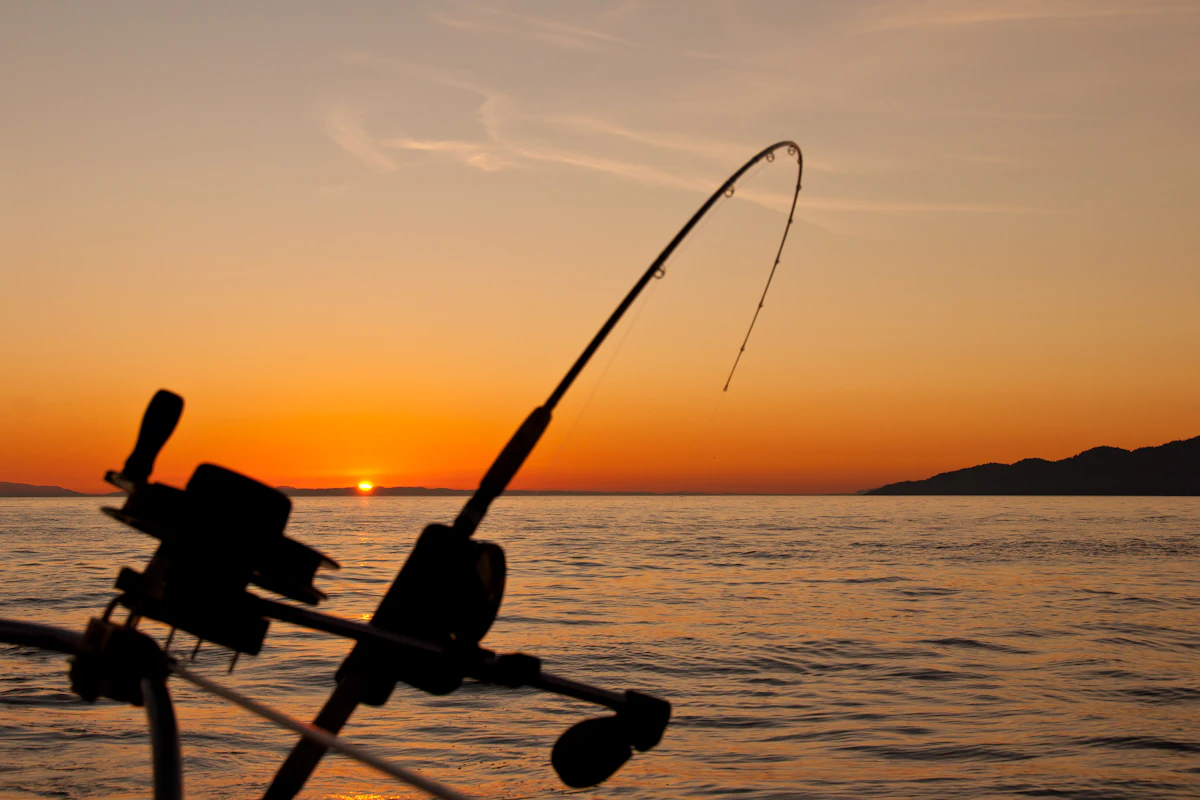 What "Electric Motors Only" Really Means on a Lake
Trolling motors, thrust vs. horsepower, batteries, and the typical setup that is legal on an electric-only lake.
-
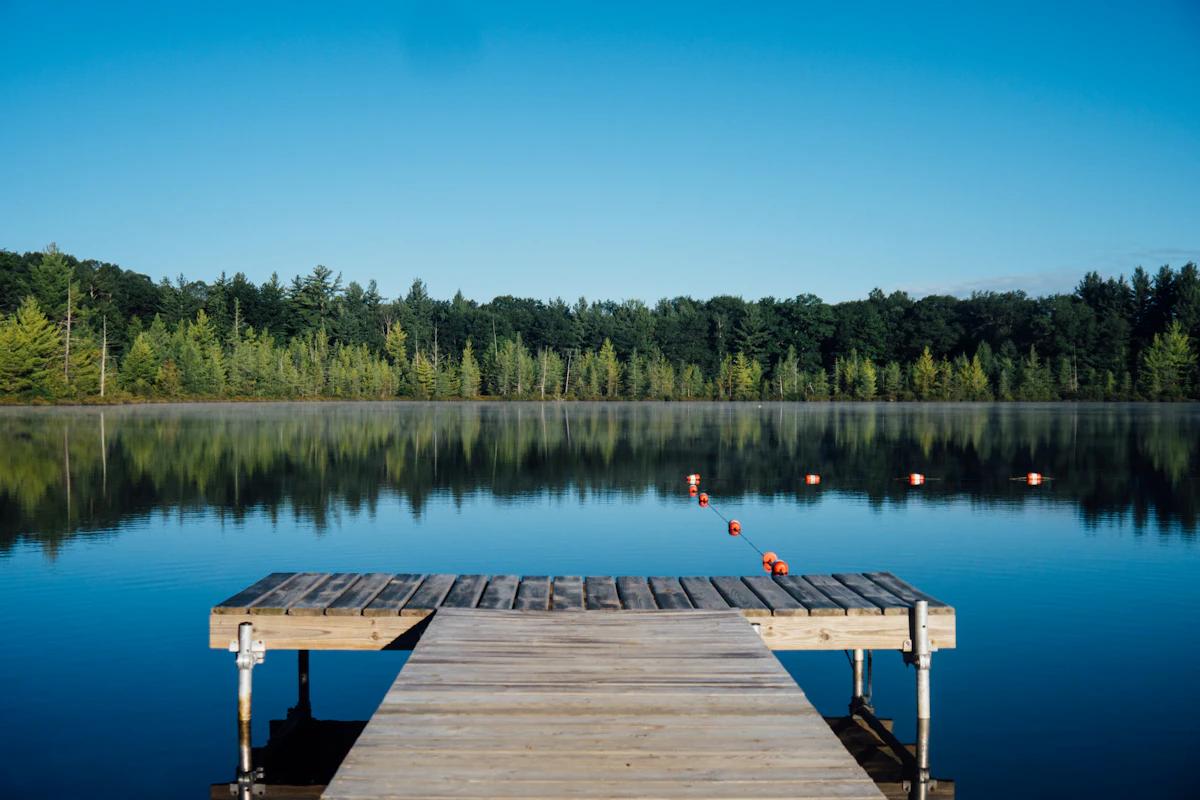 Slow-No-Wake Rules Explained: What Counts as a Wake
What slow-no-wake means on the water, how officers judge it, and how shoreline buffer distances work.
-
 Who Regulates Your Lake? DNR, Commissions, Cities and Federal Agencies
How to figure out which agency sets motor rules on a given lake — and who to call to verify them.
-
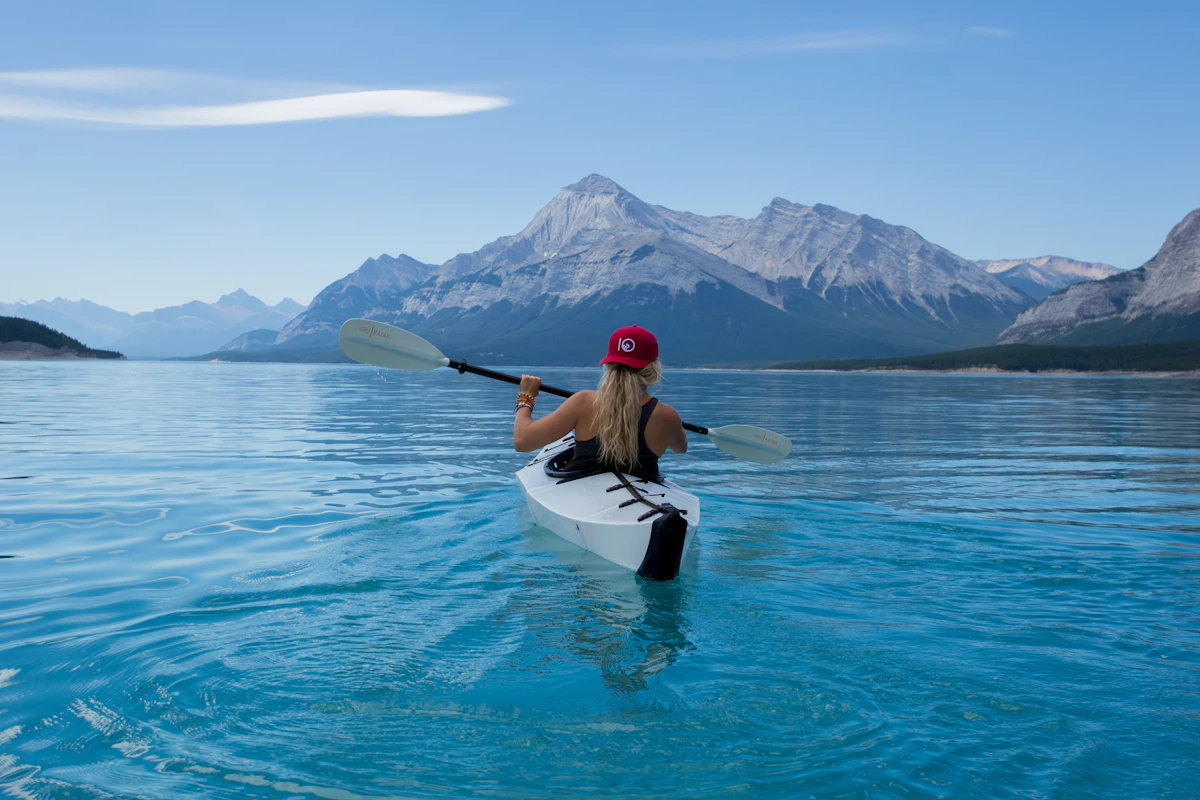 Kayaks and Canoes on Motor-Restricted Lakes: What Applies to You
Paddle craft are welcome on almost every restricted lake — here is what still applies: PFDs, registration and launch rules.
-
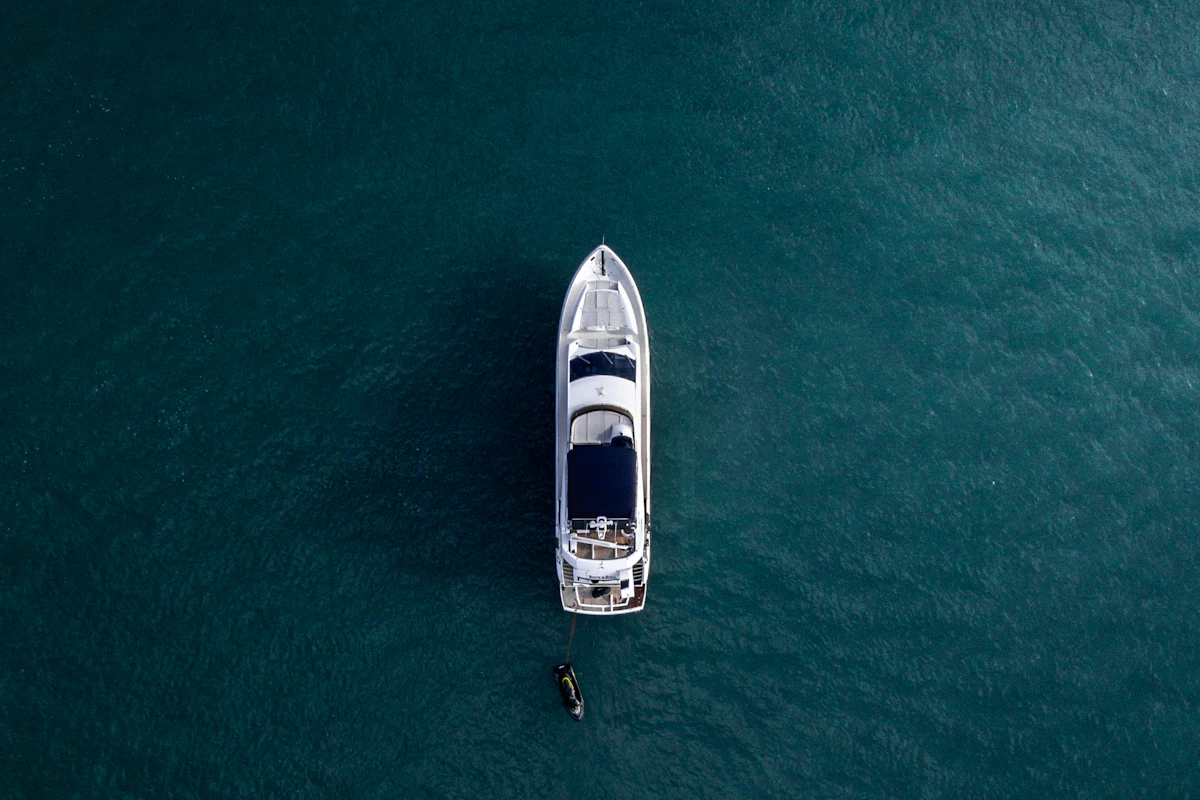 Why 9.9 HP Outboards Exist: Horsepower-Limit Lakes Explained
How horsepower caps are written and enforced, why 9.9 hp motors are built for them, and what counts on the motor plate.
-
 Do You Need to Register a Kayak or Boat With a Trolling Motor?
Mounting any motor usually turns your craft into a registrable motorboat. State patterns, launch permits, and the paperwork checks to expect.
-
 Lake Motor Rules Glossary: Slow-No-Wake, Idle Speed, HP Ratings and More
Plain-English definitions of every term that appears in lake boating regulations — from slow-no-wake to launch permits and PWC rules.